
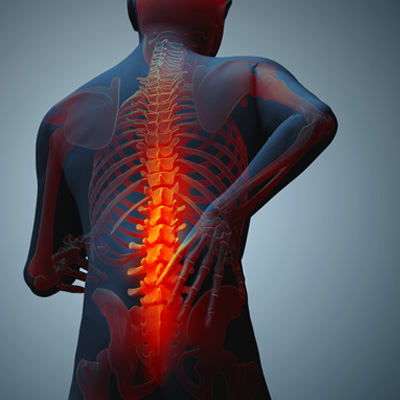
Things to Avoid When You Have Back Pain - Physio Direct NZ

Things to Avoid When You Have Back Pain

Back pain is such a common experience that it is estimated up to 80% of adults will have at least one severe episode of back pain in their lifetime. 

For many people, the pain quickly resolves and things go back to normal. However the first time this happens to you it can be scary, particularly as very severe pain can occur suddenly and without warning. Statistics, however, are on your side. Most of the time, acute low back pain resolves without consequence and doesn’t recur. If you happen to be in the middle of an episode, here are a few tips to help you get through.

  1. Avoid heavy lifting

While this may seem obvious, there are a few people who will always try to push through the pain. The expression “no pain, no gain” is in many cases outdated and if your work requires heavy lifting, it is more than reasonable to take a few days off.

  1. Avoid too much rest.

On the other hand, lying in bed all day is bad for you as well. If you have severe back pain, gentle movement under the advice of a physiotherapist is much better for you than complete rest.

  1. Avoid long car or plane trips

If possible, now is the time to avoid long distance travel. If you absolutely must travel, speak to your physiotherapist about how to manage your pain during the trip.

  1. Avoid listening to horror stories

There are always stories about pain that never went away, requiring surgery, which only made it worse. While worst case scenarios do happen, being fearful is a negative factor in a healthy recovery. That terrible story is probably not going to happen to you and hearing these stories is only going to impact your recovery negatively.

  1. Avoid delaying treatment

While your pain may go away on its own, it is important to have a professional assess your condition to screen for any serious injuries and advise you on how to best manage your pain while you are getting better. They can also help you recover as quickly as possible.

  1. Don’t expect a miracle cure

Back pain is complicated, and a single treatment that works for everyone does not exist. It is important to follow the directions of your therapist and work with them to set reasonable and realistic goals for your recovery.

Please click the download button below to print out a free copy of our newsletter.
Mushroom and Walnut Burgers - Physio Direct NZ

Mushroom and Walnut Burgers

Ingredients

500g mushrooms, chopped

1 onion, diced

2 garlic cloves, crushed

150g cooked chickpeas

40g walnuts, crushed in food processor

25g basil leaves, chopped.

1 heaped teaspoon ground flaxseed

1/2 teaspoon sea salt

ground pepper to taste

Instructions

  1. Preheat oven to 230c. Scatter mushrooms over two baking trays and bake for about 30 mins. Set aside in a large bowl.
  2. Mix ground flaxseed with enough water to cover and set aside and allow to thicken.
  3. Sauté onions over medium heat until soft, add garlic and cook for about 15 minutes. Add to mushrooms along with walnuts, thickened flaxseed and chopped basil. Briefly mix together in a food processor.
  4. Return mixture to bowl and add salt and pepper. Shape the mixture into four large patties and wrap each in glad wrap. Refrigerate for at least an hour.
  5. When ready to cook, heat a thin layer of oil over medium heat in a heavy frying pan and cook burgers until brown.

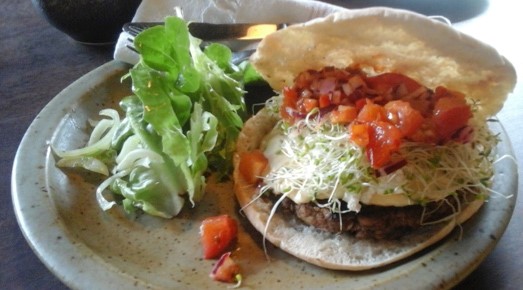
Serve as you like, recommended with pita bread, bean sprouts, roasted red peppers and salad.

Please click the download button below to print out a free copy of our newsletter.
Shoulder Dislocations - Physio Direct NZ

Shoulder Dislocations

The shoulder is an amazing joint with incredible flexibility. It doesn’t attach directly to the spine, like the hip joint; instead, it is held to the body through a complicated system of musculature and indirectly by the collarbone (clavicle) to the front of the rib cage. Many other joints in the body are extremely stable, thanks to the structure of the bones and ligaments surrounding them. However, the shoulder has so much movement that some stability is sacrificed. It is for this reason that shoulder dislocations are a relatively common occurrence.

What is a dislocation and how does it happen?

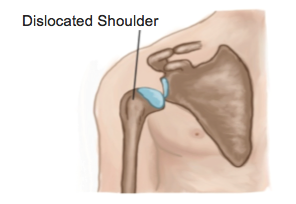
As the name suggests, a dislocated shoulder is where the head of the upper arm is moved out of its normal anatomical position to sit outside of the shoulder socket joint.

Some people have more flexible joints than others and will unfortunately have joints that slip out of position easily without much cause. Other people might never have a dislocated shoulder except for a traumatic injury that forces it out of position. The shoulder can dislocate in many different directions, the most common being anterior. This occurs when the arm is raised and forced backwards in a ‘stop sign’ position, which can occur in many situations.

What to do if this happens

The first time a shoulder dislocates is usually the most serious. If the shoulder doesn’t just go back in by itself (spontaneous relocation), then someone will need to help to put it back in. This needs to be done by a professional as they must be able to assess what type of dislocation has occurred, and often an X-ray needs to be taken before the relocation happens.

A small fracture can actually occur as the shoulder is being put into place, which is why it is so important to have a professional perform the procedure.

How can physiotherapy help?

Following dislocation, your physiotherapist can advise on how to allow the best healing for the shoulder. It is important to keep the shoulder protected for a period to allow any damaged structures to heal as well as they can.

After this, a muscle-strengthening and stabilization program can begin. This is aimed at helping the muscles around the shoulder to provide further stability and prevent future dislocations.

The information in this newsletter is not a replacement for proper medical advice. Always see a medical professional for assessment of your individual condition.

Please click the download button below to print out a free copy of our newsletter.
How To Beat Workout Soreness - Physio Direct NZ

How To Beat Workout Soreness

Most of us are familiar with the post-exercise soreness that comes after a particularly strenuous exercise session. This pain, which is usually accompanied by stiffness and weakness, is often referred to as Delayed Onset Muscle Soreness. This is abbreviated to DOMS.

It is unclear exactly what the purpose of this pain is, as it is most intense 24-48 hours following an intense exercise session. However, we do know that muscles experiencing DOMS show signs of microtears throughout the tissues and the effects are worse following eccentric (controlled extension) exercises more than other types.

DOMS

While DOMS is not indicative of any serious injury and has no lasting side effects, it can be very uncomfortable and is problematic for anyone who needs to perform again quickly. This might apply to an athlete in a tournament stretching over a few days.

A person suffering from DOMS may also be at a higher risk of injury if they continue to play sport at their usual level. Understandably, many people are interested in how to avoid or reduce the effects of DOMS.

There is plenty of anecdotal evidence on how to reduce DOMS. However, high-quality research is limited and there is certainly no quick fix to this problem.

When it comes to avoiding DOMS, both a warm up before exercise and a cool down afterwards are important. Many experts also recommend using a foam roller on affected muscles following exercise. And while many people, particularly long-distance athletes are fond of using anti-inflammatory medication to reduce pain after exercise, the evidence shows that its effectiveness is limited and perhaps not worth the side effects of using the medication regularly.

Other Advice

Other advice includes gentle exercise, such as 20 minutes on a stationary bike, and mild stretching. Massage is not generally recommended, although some people may find it helpful. Staying hydrated during sports is always important, and keeping your fluid intake adequate while experiencing soreness afterwards can also help.  If you are particularly brave, ice baths have recently been shown to have mild benefits in pain reduction.

Please click the download button below to print out a free copy of our newsletter.

Blue Cheese and Caramelised Onion Pizza - Physio Direct NZ

Blue Cheese and Caramelised Onion Pizza

Ingredients

2 flatbread or pizza bread

2 tbsp blue cheese or blue cheese dip

1 cup rocket

1 green pear, sliced

30gm parmesan cheese, sliced

 3 onions

2 tbsp olive oil

1 tbsp brown sugar

¼ cup red wine vinegar


Caramelised Onion:

  1. Fry onions in olive oil until brown and starting to soften. Add brown sugar and red wine vinegar and simmer until onions are soft and caramelised. Can be used immediately or stored in the fridge.

Pizzas:

Preheat oven to 180 degrees Celsius.

  1. Spread blue cheese dip over pizza base, cover with caramelised onion and place in oven for 10 minutes. Remove and place sliced pear pieces over pizza and cook for a further 5 minutes.
  2. Remove from oven and place fresh rocket over pizza. Add cracked pepper and parmesan slices to taste.


Please click the download button below to print out a free copy of our newsletter.
ACL Reconstructions - Physio Direct NZ

ACL Reconstructions

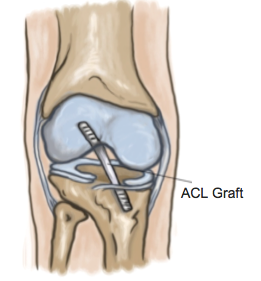
A common injury of the knee is a tearing of the ACL (Anterior Cruciate Ligament). This ligament is very important for stability of the knee and often needs to be repaired surgically. The primary function of the ACL is to keep the bottom surface of the knee joint from sliding forwards during movement. An unrepaired knee may feel unstable or give way suddenly.

Not all ACL injuries require surgery and some may heal well with proper rehabilitation, however for those who do need surgery, there is a significant rehabilitation period afterwards.

What does the surgery consist of?

Every surgeon will have a slightly different technique for surgery. The most common approach is the arthroscopic approach, which uses a small camera and allows the surgeon to make only small incisions into the knee. They will then replace the torn ligament with either a graft from a tendon or ligament at another part of the body or using a synthetic graft.

How long does rehabilitation take?

Full rehabilitation following surgery can take up to nine months and rehabilitation is divided into different stages. As all surgeons will have different protocols for their approaches to surgery, time frames will vary for everyone.

Initially after surgery, the graft will be quite weak while a new blood supply is being established. It can take up to 12 weeks before the graft is at its strongest point and evidence shows that it may never have the strength of the original ligament.

In the early stages, rehabilitation will be focused on restoring movement to the joint and strengthening the muscles around the knee without putting any undue stress on the graft.

As the graft begins to heal and strengthen, rehabilitation can progress to include stability and control exercises and gradually build up to a complex program that prepares the knee for a full return to sport.

The path to full rehabilitation from a knee reconstruction can be a long and bumpy one, however there are high success rates with this surgery, particularly when followed up with full physiotherapy rehabilitation.

The information in this newsletter is not a replacement for proper medical advice. Always see a medical professional for assessment of your individual condition.


Please click the download button below to print out a free copy of our newsletter.
Three Things Your Physio Wants You To Know - Physio Direct NZ

Three Things Your Physio Wants You To Know

Every profession has a unique perspective of life that can only be achieved from years of experience in that area. Here are three things that experience has taught your physio:

  1. Problems that seem to arise for “no reason” are usually a result of disuse or lack of movement.

It’s common to want to know why pain has occurred; however it’s not always easy to identify a cause. What you come to learn as a physiotherapist is that pain and injury are just as likely to arise from disuse and inactivity as they are to develop from a direct trauma.

Our bodies are made to move and modern day life simply doesn’t allow for enough movement. We certainly shouldn’t be sitting as much as we are. This allows our joints to stiffen, muscles to shorten and weaken, and nerves to become extra sensitive.

There is also evidence that movement is essential for joint health, due to the movement of joint fluid that provides nutrients to the joint structures. The reason physiotherapists are always advocating for more movement is because we see the long-term effects of disuse on a daily basis.

  1. Bad habits are hard to break, but the best time to make a change is today.

Today’s slightly stooped posture is tomorrow’s fixed hump back. It doesn’t happen overnight, but seeing every stage of the progression walk through your door is like seeing evolution in fast forward. It makes you want to address change early, when it is easiest to make a positive effect.

Other habits that should be formed early are incorporating as much exercise into your routine as possible. It’s harder to be fit and active in your 60s if you weren’t active in your 30s. Being active now is arguably one of the most important things you can do to ensure you have a comfortable and healthy later life.

  1. Pain is affected by so much more than just tissue damage.

Your beliefs and attitudes about pain can have a huge impact on how you experience pain. Being fearful and anxious will amplify pain. The worst-case scenario is actually very unlikely and seeking the treatment of a physiotherapist can help to ensure the best outcomes possible.

Please click the download button below to print out a free copy of our newsletter.
 

Smashed Avocado, Feta and Rocket Bagel - Physio Direct NZ

Smashed Avocado, Feta and Rocket Bagel

Ingredients

1 whole avocado

1 bagel

100g feta cheese

1 cup washed rocket lettuce

1/2 a lemon

1 tbsp olive oil


Instructions:

  1. Cut the bagel in two slices and place under grill on medium until crispy.
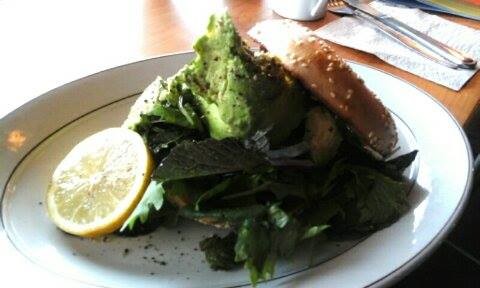
  2. Remove avocado flesh and mix into a bowl with feta cheese.
  3. Spread avocado and feta mix over bagel halves. Cover with rocket leaves.
  4. Garnish with half a fresh lemon and drizzle olive oil over top.

Salt and pepper to taste.


Please click the download button below to print out a free copy of our newsletter.
Golfer’s Elbow - Physio Direct NZ

Golfer’s Elbow

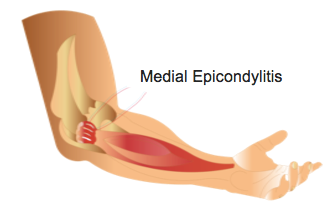
Golfer’s elbow is defined as chronic degeneration of the tendon on the inside of the elbow, usually due to overuse. As its name implies, it is a condition common in golfers. However, as with all sporting injuries, this condition can affect anyone. Golfer’s elbow is similar to Tennis elbow, occurring on the inside of the elbow rather than the outside.

What are the symptoms?

Typically, someone suffering from this condition will experience pain on the inside of the elbow, forearm and possibly extending down to the hand. The pain will be worst with activities that require gripping of the hand and movements of the wrist. Less common is the experience of pins and needles in the hand.

How does it happen?

The exact cause of this condition is unknown, however it is generally thought to occur when the forces transmitted through the tendon become too great. This can be due to increased demands on the tendon or reduced quality of the tendon tissues.

As the tendon is attached to muscles that bend the wrist and provide grip strength, activities such as golf, rock climbing or manual work that involve gripping objects can easily create forces that damage the tendon.

Conversely, factors such as poor blood supply or simply the normal processes of aging can reduce the quality of the tendon. If the tissue is not functioning well, then even simple but repetitive movements in an office job can cause Golfer’s elbow.

There are a few other known contributing factors for Golfer’s elbow, such as poor posture, neck dysfunction, a recent change in activity and a history of trauma, such as a fall onto an outstretched hand.

What is the treatment?

Golfer’s elbow usually develops slowly, and healing can be a long process. The first step to effective treatment is accurate diagnosis, as many other conditions have similar symptoms and need to be excluded first by a medical professional.

Once a diagnosis of golfer’s elbow has been confirmed, treatment is aimed at allowing tissues to heal and regenerate. This will require a certain level of rest, and changes to the forces affecting the tissues, sometimes through bracing or taping.

Specific exercises have been shown to assist tissues in coping with and responding to load; these are called “eccentric” exercises. Other treatments include increasing blood flow to the area to promote healing. In chronic and severe cases, injections of corticosteroids are used, and in severe cases surgery may be undertaken.

The information in this newsletter is not a replacement for proper medical advice. Always see a medical professional for assessment of your individual condition.


Please click the download button below to print out a free copy of our newsletter.

Surprising Skills That Improve With Age - Physio Direct NZ

Surprising Skills That Improve With Age

Many of us associate aging with a decline of skills and quality of life. However, the truth is not as black and white as this. While certain skills and functions do tend to suffer as we age, surprisingly there are many abilities that actually improve as we grow older.

Recent studies have shown that happiness is U-shaped, proving that the mid-life crisis is real. Ages between 40-60 tend to hold the highest amount of stress and responsibility for adults. It seems that happiness increases steadily after this period, with the average 80 year old reporting themselves to be as happy as the average 20 year old.

There is also evidence that your beliefs about ageing can act as a self-fulfilling prophecy. If you are positive about ageing, then your experience will be more positive than if you believe negatively about it.

It’s not only good news about your mental health though. Studies have also shown that while your short-term memory might decline, other skills such as creativity can actually increase. One of the biggest reasons for a decline in skill and function is the disuse that comes with retirement from work. Keeping active and mentally stimulated can be enough to keep your skills up to speed.

It has also been shown that confidence grows in both genders as we age. Making decisions becomes easier as we know ourselves better and have a wealth of experience to draw on when a tricky situation arises.

Certain physical skills such as strength and agility might decline, however it seems that other aspects of physical ability might increase, including endurance. There are many triathletes who are in their 70s, 80s, and unbelievably even in their 90s. In the absence of any serious disability, it might be the case that age is an excuse rather than an actual hindrance to being active.

Verbal ability and vocabulary are also skills that improve as we age, which may explain why crosswords are so popular with the elderly. Making the most of your abilities at every age is important. So try not to let age be a barrier to trying new things and keeping active.

Physiotherapists are dedicated to helping people stay active at any age and can help you with achieving your goals. Speak to your physiotherapist for more information.


Please click the download button below to print out a free copy of our newsletter.
Grilled Parmesan, Polenta and Rocket Salad - Physio Direct NZ

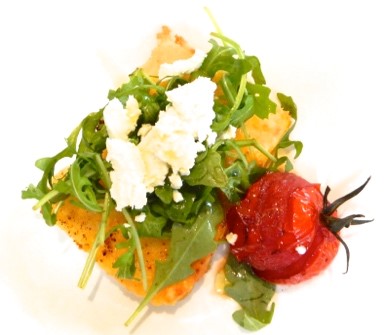
Grilled Parmesan, Polenta and Rocket Salad

Ingredients

2 cups instant polenta

5 cups water

100g  parmesan cheese

200g crumbled feta cheese

2 cups of rocket lettuce

6 vine ripened tomatoes

3 Tbsp Olive oil.


Instructions:

  1. Place tomatoes onto a baking tray lined with foil and drizzle with olive oil. Bake in a preheated oven at 170 d Celsius for 1hr.
  2. Bring water to the boil, reduce to low heat and slowly add polenta, stirring constantly for 6 minutes until polenta is smooth and thick, stir in Parmesan cheese.
  3. Place polenta onto a chopping board and flatten to 1.5cm height. Place in fridge for 40 minutes to set. Cut into 6cm by 6cm squares and spray both sides with olive oil.
  4. Heat a bbq hotplate and grill to medium heat, cook polenta pieces on each side for 2-3 minutes.
  5. Wash rocket and place on top of baked polenta, cover with feta cheese and drizzle balsamic glaze over top to taste.


Please click the download button below to print out a free copy of our newsletter.
Ankle Sprains - Physio Direct NZ

Ankle Sprains

Ankle sprains are extremely common, however, this doesn’t make them easy to cope with when they happen to you. If you’ve ever spent two weeks hobbling around on crutches after an unfortunate twist, you’ll understand just how painful and difficult they can be.

What are they?

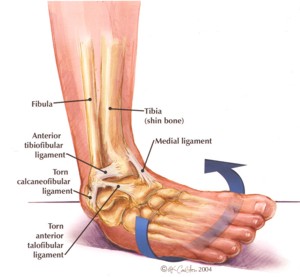
Ankle sprains refer to a tear to the ligament fibres of the ankle. Commonly, a person will roll their ankle inwards and tear the ligament on the outside. Occasionally, the ankle will twist outwards and the ligaments on the inside of the ankle are torn and even less commonly, the fibres of the ligament that hold the two bones of the lower leg together tear (high ankle sprain). A sprained ankle will usually be painful, swollen, bruised, difficult to walk on and in some cases unstable.

How does it happen?

Ankle sprains can occur from something as simple as putting weight onto your leg when you think your foot is flat even though it’s not. The most typical pattern is of a person jumping and landing on the outside of their foot or simply slipping and twisting their ankle. A sprained or twisted ankle is one of the most common injuries presented to emergency departments around the world. This is important as a severely sprained ankle can actually have very similar symptoms to a broken ankle and will need an X-ray.
A medical professional should assess any severe sprain. However, there are some guidelines to help decide if a sprained ankle needs X-ray.

  1. You are unable to put weight on the ankle immediately after the injury.
  2. You are unable to take more than 4 steps immediately after the injury.
  3. Pain on the bony edges of the outer foot and ankle.

How long do sprains take to heal?

Depending on the severity of the tear, from one to six weeks. Your physiotherapist is able to help with recovery and ensure nothing slows down the healing. Following any injury of the body, joints may remain a little stiff and lose strength and control. Even though the injured tissues have healed, the ankle doesn’t move quite the way it used to. This means that your risk of twisting it again is higher than before the injury.

How can physiotherapy help?

Correct rehabilitation can help to prevent recurring injuries. As well as providing support to the unstable ankle, your physiotherapist will help you to strengthen any weak muscles and restore balance and control through exercise. They are also able to correct any abnormal movement of the joint following swelling.

If you’d like to make an appointment with one of our physiotherapists, please click below.

Sprains vs Strains - Physio Direct NZ

Sprains vs Strains

Sprains and strains are words that are used almost interchangeably when describing injuries, however they each actually have quite distinct meanings. The most straightforward explanation is that a “strain” refers to a tear in a muscle or tendon, while a “sprain” refers to a tear in ligament fibers. Below we briefly describe what that means and how we treat a sprain or strain differently.

Ligaments are fibrous tissues that connect and hold bones to other bones. These are very strong parts of your anatomy and, depending on the joint, provide large amounts of support and stability to the body.

Some ligaments are so strong, for example in the shoulder, that sometimes a bone will break before the ligament will tear. When ligament fibers do tear, the nearby joint can actually feel unstable.

Ligament tears will usually swell up and have a normal inflammatory reaction. Pain will be worse with movement or if the ligament is placed under more stress. Occasionally, if a ligament has torn all the way through, there is much less pain than with a less severe injury.

Your physiotherapist is able to grade the severity of a ligament sprain. This will help guide treatment and expected recovery times.

Muscle strains are easy to confuse with ligament sprains, however there are a few telltale differences.  Following a muscle tear, it is more likely that you’ll feel weakness rather than instability. The pain will also be isolated over the muscle or tendon body. An injury to a ligament will be tender over the site of the ligament and special tests can be done to show a laxity due to the injury.

Treatment is also slightly different as sprains will need more support and will sometimes even need to be braced. Muscle strains however will benefit from gentle movements earlier.

In both cases, following the basic principles of rest, ice, compression and elevation is great advice in the early stages of any injury. Heat is not recommended until at least two days after the injury.

It is important to seek professional opinion when recovering from both a strain and a sprain. It is very easy to re-injure an area while it is healing if undertaking strenuous activity too early and without correct rehabilitation. Speak to your physiotherapist for more information.

Please click the download button below to print out a free copy of our newsletter.
Homespun Caesar Salad - Physio Direct NZ

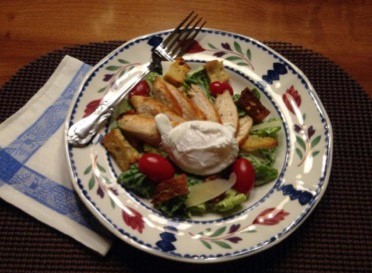
Homespun Caesar Salad

Ingredients

Base Caesar Salad
2 garlic cloves, minced
1 tsp anchovy paste
2 tbsp lemon juice
1 tsp Dijon mustard
1 tsp Worcestershire sauce
1 cup good quality mayonnaise
½ cup fresh grated parmesan cheese
Pinch salt and pepper

Instructions:

  1. Mix salad together in large salad bowl.
  2. Whisk together remaining ingredients in a small bowl to create dressing.
  3. Stir Dressing through salad
  4. Top with chicken or salmon

Please click the download button below to print out a free copy of our newsletter.
Metatarsalgia - Physio Direct NZ

Metatarsalgia

What is Metatarsalgia?

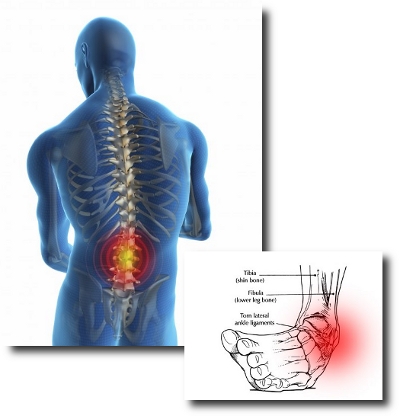
Metatarsalgia is a medical term used to describe pain that occurs in the ball of the foot. This occurs due to rubbing of the long bones of the foot, called metatarsals, causing inflammation.  Build-up of inflammation in the ball of the foot compresses the small nerves that run between the toes and along the foot. Inflammation and compression of these small nerves is painful.

The pain can involve one or more joints of the foot including the big toe, second toe and third toe. It is unlikely to include the fourth or fifth joints.  On occasion, the pain may involve the entire foot, or larger parts of the foot.

The pain or symptoms may be made worse when bearing weight through the foot, such as walking or running. In severe cases, just standing or even wearing tight footwear can affect the foot.

How does it happen?

Metatarsalgia can be caused by a number of things. An abrupt change in posturing of the lower back or pelvis may alter the way the foot is loaded, and cause rubbing of the long bones. Altered loading of the foot may also be caused arthritic conditions that affect the knees, hips or pelvis and carrying extra weight.

Unavoidable factors, which may lead to the development of metatarsalgia, include increased age, and the physical shape of the foot and toe. As your body ages, the ligaments of the foot may loosen or weaken. Therefore, the bones of the foot move differently leading to altered positioning and loading of the foot.

Avoidable factors, which may lead to the development of metatarsalgia, include wearing inappropriately fitting footwear, and the type of exercise performed. Metatarsalgia is more highly associated with high impact-type exercise such as running or gymnastics.

What are the signs and symptoms of Metatarsalgia?

The signs and symptoms of metatarsalgia may vary from person to person. Generally, a complaint of pain is common. This may range from mild to severe, or may be described as burning or shooting pain in the foot or toes. Another common description is a tingling sensation in the foot or toes.

Typically, symptoms worsen when weight bearing and improve once weight is removed from the foot.

How can Physio help?

Your physio will determine the cause of the metatarsalgia pain and assist you with adapting your posture, or improving the loading pattern of your foot. You may be advised to unload the foot by reducing or stopping exercise, changing the shoe you wear, or strengthening certain muscles in your legs.

Electrotherapeutic modalities such as icing, ultrasound or interferential therapy may be of assistance to reduce pain and inflammation in the beginning stages of treatment as well.

Please click the download button below to print out a free copy of our newsletter.