Orthopaedic Surgery And Physiotherapy - Physio Direct NZ

Orthopaedic Surgery And Physiotherapy

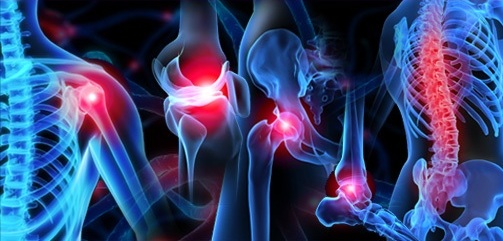
Orthopaedic surgery is any surgery performed primarily on the musculoskeletal system of the body. Common orthopaedic surgeries you may have heard of are joint replacements and reconstructions.

Physiotherapists have a large role to play in the recovery of these kinds of surgeries especially in the more extensive operations, such as a total hip or knee replacement.

It is not unusual to wake up in the hospital a few hours post-op knee replacement, hip replacement or shoulder reconstruction to your hospital-based physio asking you to get out of bed for the first time. This may seem daunting and entirely too early, however there is very well researched evidence for why getting out of bed early is so important: your speedy return to normal health and wellbeing!

Hospital-based physiotherapy typically includes re-learning how to walk and making initial improvements on your range of movement and function of the affected joint. The physio will also help you maintain healthy respiratory function by checking your lungs regularly. Drugs administered during surgery change your breathing pattern, which can lead to complications in the days after surgery.

Following your in-patient stay, it is highly likely your surgeon will request for you to continue with outpatient physiotherapy either in an outpatient hospital-based setting or in a private-practice setting.

With your outpatient physio, your recovery will be measured and monitored, goals will be discussed and set, and you will be given an exercise program created to achieve those goals.

Physiotherapists use a variety of treatment methods to assist a post-operative orthopaedic surgery patients achieve their goals. These include soft tissue work, stretching, hydrotherapy, manual therapy and gym-based exercise.

Recovery from orthopaedic surgery can take up to 12-to-18 months to occur. During this time, it is not unusual to experience bouts of pain and swelling; however these episodes should reduce the further into rehabilitation you progress.

Many post-operative orthopaedic surgery patients can expect to return to a normal life following a period of rehabilitation guided by a physiotherapist. This includes return to some sport and regular exercise!

Note: Please seek professional advice prior to beginning a post-operative exercise program.

Please click the download button below to print out a free copy of our newsletter.
Ankle Fractures - Physio Direct NZ

Ankle Fractures

Recognising and Managing Ankle Fractures

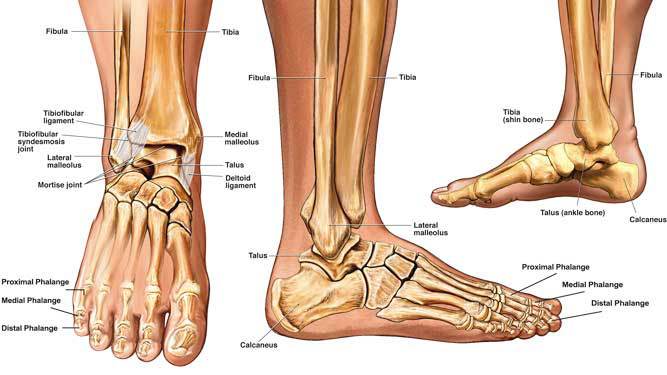
Ankle fractures are surprisingly common injuries, both in athletes and the general population. Being able to quickly identify the signs and symptoms of a fracture is extremely important in ensuring quick and effective medical management.

Ankle fractures come in different shapes and forms. For example, a netballer with shin splints may experience a stress fracture, while a soccer player colliding with another player may experience a large break of the bone at the base of the ankle. In either case, bony tissue has been disrupted and must be treated accordingly.

Knowing the signs and symptoms of fracture

Understandably, swelling and bruising will occur when a bony injury to the ankle takes place. Inability to bear weight on the affected leg, along with extreme pain when the affected area is touched are also very common signs of fracture. However, as an ankle sprain will often present with these same symptoms, it can be easy to misdiagnose an ankle fracture as a severe sprain.

Luckily, there are some established rules to follow if you a suspect an ankle fracture. If one or more of the following signs are present, along with a history of trauma, it is recommended that you seek medical advice as soon as possible.

1) Inability to fully bear weight on the affected limb for 4 or more steps.
2) Tenderness to touch along the inner and outer bony aspects at the base of the ankle.
3) Pain to touch at the outer part of the foot.

Following diagnosis of a fracture, the doctor may decide to use a plaster (cast) to protect the bones while they heal. Severe fractures will need to be surgically stabilized. After surgery or time in a cast, ankles can be surprisingly weak and stiff due to disuse, leaving them vulnerable to becoming reinjured.

After removal of a cast, wearing a fabric brace is usually recommended for a few weeks. The brace provides an element of stability while the joint is regaining strength and balance. During this time, it is important to start strengthening and mobilizing the ankle. A physiotherapist can develop a rehabilitation program that involves a gradual return to normal daily activities and eventually sport.

This rehab program will allow your bones to continue healing while adjusting to the increasing stresses being placed on them. You may begin rehab in a non-weight-bearing setting such as the pool, and progress to increased weight-bearing activities such as cycling. Eventually you will be able to start a weight-bearing program on the grass or even on a hard surface to assist with your return to sport.

Please click the download button below to print out a free copy of our newsletter.

Osteitis Pubis - Physio Direct NZ

Osteitis Pubis

What is Osteitis Pubis?

Osteitis Pubis is a medical term used to describe sports-related groin pain. Osteitis means ‘bone inflammation’, while pubis refers to the specific bone that is affected: the pubic bone.  Usually an overuse injury, Osteitis Pubis can sometimes be triggered by a specific event. It is characterized by pain deep within the front of the pubic bone, caused by inflammation. The area of the pubic bone affected is specifically known as the ‘pubic symphisis’.

This type of injury is common in load-bearing athletes such as runners. Other people commonly affected include soccer players and footballers, due to their frequent kicking actions.

How does it happen?

Instability within the pelvic region is the primary cause of Osteitis Pubis, particularly if the instability occurs at the connection between the two sides of the pubic bones at the front of the body. The pelvis carries the weight of the upper body and is responsible for providing stability when walking, running and kicking. This means that the joint can easily become irritated and inflamed.

What are the signs and symptoms of Osteitis Pubis?

Osteitis pubis is aggravated by weight-bearing activities, with running and kicking being the two main culprits. Pain is usually experienced on one side, however both sides can be affected. The pain is usually located at the front of the pelvis, and may progress into the hip and groin area as it becomes more severe.

Sufferers of Osteitis Pubis tend to have a history of previous groin strain, as well as lower back pain. They may also have a history of a sports hernia in the hip area. As with most inflammatory conditions, the pain may be worse when in use, better when resting, and worse overnight into the morning.

How can Physio help?

Your physio is able to help this condition in a number of ways and will hopefully get you back to your pre injury sporting level. During assessment, your physio will look at many different things to determine the cause of the condition. Muscle length, muscle strength and muscle control will all be assessed. Your posture in standing, walking and running will also be assessed to determine any irregularities.

Your physio will ask you to rest from sport for a period of time to allow some bony healing to occur. They will then progress you through a rehab program aimed at getting you back to sport.

This rehab program will retrain your muscles to stabilize the pelvis when walking, running and kicking. The muscles will also need to have relatively equal flexibility to help stabilize the pelvis. Your physio will give you specific exercises to target the strength and flexibility of these muscles. Finally, your physio will progress you to running or kicking, and allow you to gradually return to sport over a 3-to-6-month period of time.

The information in this newsletter is not a replacement for proper medical advice. Always see a medical professional for assessment of your individual condition.

Please click the download button below to print out a free copy of our newsletter.
Strawberry and Balsamic Bruschetta - Physio Direct NZ

Strawberry and Balsamic Bruschetta

Ingredients:

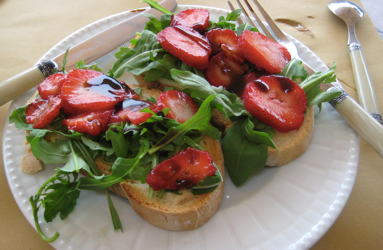
3 strawberries, thinly sliced
2 slices of Ciabatta bread
1 cup rocket salad leaves
Balsamic glaze

Instructions:

1. Toast slices of Ciabatta bread
2. Sautee strawberries for 20 seconds each side over medium heat
3. Top bread with fresh rocket
4. Place sautéed strawberry slicked over rocket
5. Drizzle with balsamic glaze

Please click the download button below to print out a free copy of our newsletter.
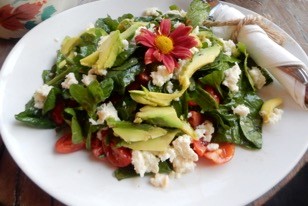
Caprese Salad with Avocado - Physio Direct NZ

Caprese Salad with Avocado

Ingredients

4 vine-ripened tomatoes.

300g fresh buffalo mozzarella

¼ cup of fresh basil leaves

1 whole avocado

1 cup of baby spinach leaves

2 tbsp balsamic and olive oil dressing

Instructions

  1. Mix baby spinach leaves, basil, chopped tomatoes and crumbled mozzarella in a salad bowl.
  2. Drizzle with olive oil dressing. Mix gently.
  3. Garnish and serve straight away.

Serves two.

Optional Extras:

  • Thinly slice mango into cubes, add to base salad.
  • Add pomegranate seeds and blueberries to salad.
  • Squeeze lime juice over salad instead of balsamic vinegar.

Please click the download button below to print out a free copy of our newsletter.
Tennis Elbow - Physio Direct NZ

Tennis Elbow

What is Tennis Elbow?

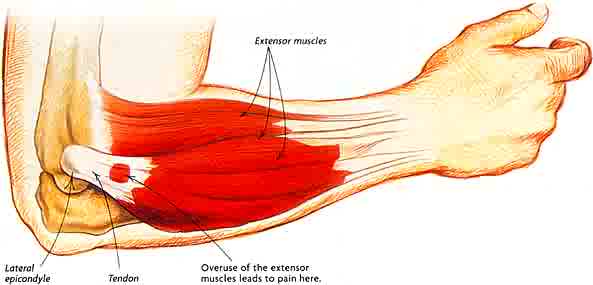
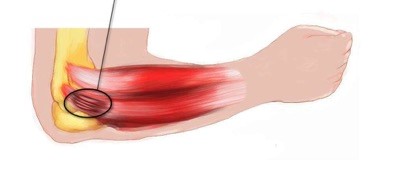
Tennis elbow refers to pain in the muscular area at the outer portion of the elbow that develops from sudden increased use or overuse of the elbow. These muscles control the tendons in the back of the forearm and hand. They are responsible for straightening the fingers and pulling the hand backwards into a “stop” position.

The term ‘tennis elbow’ is used because it commonly occurs in people who play tennis or other racket sports. Other people who are frequently affected include manual labourers that regularly using hand-held tools, however this condition can affect just about anyone in the general population.

While tennis elbow was originally thought to be inflammation of the muscles or tendons, current research suggests that it is more likely to be due to the breakdown of the tissues in the area as a result of increased stress or tension in the muscles.

What are the signs and symptoms of Tennis Elbow?

tennis elbowTennis elbow can come on either suddenly, or develop gradually over time. The pain may begin with activity and quickly go away following activity in the early stages. As it progresses, it may be painful before and after activity, but ease while in use.

Other symptoms can include pain overnight, stiffness in the elbow or forearm, and progression of pain through the forearm. Occasionally pins and needles and numbness might occur.

A common complaint among tennis elbow sufferers is pain while gripping an object or making a fist. This is because during these activities, the affected muscles are working. Because of this, grip strength may gradually weaken over time to a point where gripping objects becomes an impossible task. This can limit normal daily activities such as writing or driving.

How can Physio help?

Your physio will assess the affected muscle group to determine the extent of the condition. You will experience muscle stretching and strength testing, and likely a grip strength test. Your arm’s sensation and overall joint range of movement in the wrist, elbow and shoulder will be assessed as well.
Following assessment, you will be treated with multiple modalities including massage, ultrasound, muscle strengthening and stretching, and joint range of movement exercises.

A fact that some people find surprising is that posture can also play a role in the treatment of this condition. Depending on the cause of your tennis elbow, your physio may suggest a change in the setup of your desk, workplace, or grip technique of your racket or hand-held tool.

It is normal for tennis elbow to take a few weeks or even months to heal. If conservative management is not having a good effect, your physio can help you speak to your doctor about other management techniques. As tennis elbow is a progressive condition that generally does not resolve on its own, it is recommended to seek treatment sooner rather than later, as recovery is much faster when started early.

Please click the download button below to print out a free copy of our newsletter.
How Smoking Can Affect Tissue Healing - Physio Direct NZ

How Smoking Can Affect Tissue Healing

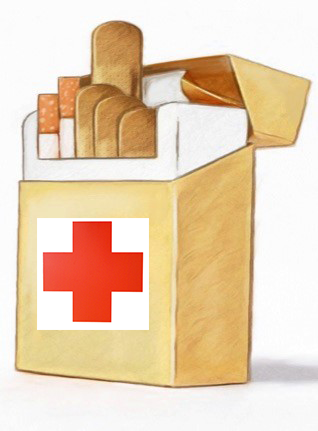
It is a well-accepted fact that smoking is bad for our health, however the effects of smoking are often far more complex than we realise. Healthcare professionals often suggest ceasing smoking prior to surgery or following an injury. This is because it can significantly impact how long our body takes to heal.

First, it is important to understand how healing occurs. Skin, muscle, bone and other organs in our bodies are made up of multiple layers of tissue, all of which have different roles and require varying amounts of blood supply. Tissue is comprised of millions of tiny cells, which join together to form one layer. Layers of tissue form organs, such as skin.

Injury disrupts multiple layers of tissues, which subsequently stimulates the healing response. This is a complex process in which new cells are created to repair injured tissues.

In order for the healing process to be effective, blood supply to the injured area must be rich. Blood vessels must be healthy and able to constrict or open as needed. Blood is important because it delivers the essential nutrient needed for healing to occur: oxygen. Oxygen has the capacity to allow injured tissue to thrive and heal. Lack of oxygen has the opposite effect.

Can Smoking Affect Tissue Healing?

The toxins introduced into the body while smoking even one cigarette are enough to cause blood vessels to constrict for up to a few hours, which limits blood flow to the injured tissues. Smoking large quantities of cigarettes every day deprives the body’s cells of essential oxygen by chronically reducing blood flow.

As cells thrive off oxygen, just as we thrive off food, they weaken and begin to die when oxygen is not present. This limits the cells’ ability to function optimally, and reduces their ability to create new cells to repair the injured tissues. Without the development of new cells, tissues cannot bridge the gap between healthy tissues in an area of injury. This leaves the injured tissues exposed for longer than they should be, leading to an increased risk of developing infection.

The time it takes for an injury to fully recover in a smoker versus a non-smoker is usually longer. The integrity and strength of the tissue that is able to form to heal the injury also tends to be weaker. This means that the injury is more prone to becoming re-injured, or even not heal at all.

Please click the download button below to print out a free copy of our newsletter.

Baby Carrot and Almond Salad - Physio Direct NZ

Baby Carrot and Almond Salad

Ingredients

1 bunch baby carrots (any colour)

 1 tbsp white wine vinegar

 2 tbsp almonds, roughly chopped

 1 tsp honey

 1 tbsp soy sauce

 1 tbsp peanut oil


Instructions

  1. Trim carrot tops, wash. Soak leaves in cold water for 30 minutes, dry, and store in moist towel in the crisper of the fridge.
  2. Whisk together white wine vinegar, soy, honey and peanut oil.
  3. Place the carrots in saucepan of cold water and bring to boil. Simmer for 5 minutes, drain and cut in half if desired. Toss with dressing.
  4. Add 3 tbsp of the chopped leaves and almonds and mix with carrots.

Ready to serve straight away.
Please click the download button below to print out a free copy of our newsletter.

Thoracic Outlet Syndrome - Physio Direct NZ

Thoracic Outlet Syndrome

What is Thoracic Outlet Syndrome?

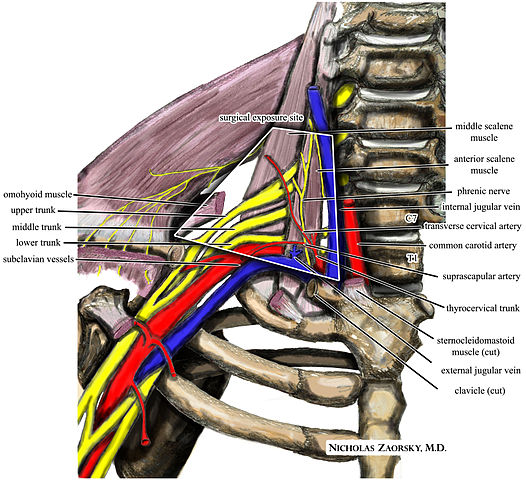
The thoracic outlet is a small opening between the neck and shoulder that allows a variety of nerves and blood vessels to pass safely from the neck and supply the arm, chest and shoulder blade. As this can be quite a small space, any narrowing can cause these structures to become compressed and irritated. This phenomenon is commonly referred to as “Thoracic Outlet Syndrome”. This space can become compromised through trauma to the neck, overuse or repetitive stresses to the arm or the presence of an extra rib in the neck. 

What are the signs and symptoms of Thoracic Outlet Syndrome?

Signs and symptoms of Thoracic Outlet Syndrome may depend on whether nervous tissue or blood vessels are involved. In most cases, symptoms will be caused by compression of nerve tissue rather than veins or arteries.

When neural tissue compression is the cause of the Thoracic Outlet Syndrome, reported symptoms may include pins and needles, tingling or numbness of the affected arm.  Other symptoms include pain and weakness or tiredness of the arm that increases with work done overhead. Some people may experience neck pain or headaches in the base of their head.

If the vein is affected, there will be swelling and discoloration of the affected arm, as well as pain. When the artery is affected, cramping of the arm or hand during use may occur. Due to decreased blood flow, the arm or hand may feel cold and even change colour. 

Who is usually affected?

It is common for people who work with their arms in an above-shoulder position to develop Thoracic Outlet Syndrome. For example, a teacher who writes frequently on a chalkboard, a construction worker hammering nails overhead, or a hairdresser.

How can physio help?

Your physiotherapist will assess a range of things including your posture, the flexibility of your spine, and length of your neck muscles. It is also important to assess the way you move your neck, back and arms.

Depending on the findings of the physical assessment, your physio will help you stretch appropriate muscles, assist with movement modification, and correct your posture. This may involve manual therapy techniques such as joint mobilizations, strapping techniques and soft tissue massage.

Treatment times may vary depending on symptom presentation and response, Thoracic Outlet Syndrome typically can take just a few treatments or several weeks to resolve as well as continuation of a home exercise program in order to resolve the issue.

PhysioTip

skaterBalance and stability are important skills that can help to prevent injury. Can you stand on one leg for 30 seconds without falling or wavering?
 

Please click the download button below to print out a free copy of our newsletter.

Positional Vertigo - Physio Direct NZ

Positional Vertigo

Vertigo, the feeling that you are moving even though you aren’t, is an unpleasant yet common experience caused by a variety of conditions. It may surprise you to learn that in some cases your physiotherapist is actually able to treat vertigo.

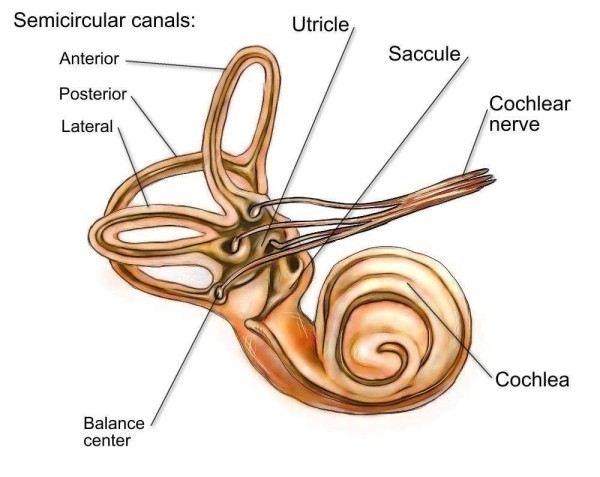
Our brain’s ability to tell if we are moving or still is a complex process involving many different parts of the nervous system. The inner ear plays a very important role, with 3 semi-circular canals being responsible for gathering information about head movement. The vestibulocochlear nerve (remember that for quiz nights!) relays that information back to the brain where it is processed. Certain conditions can interrupt the smooth transition of that message, causing the brain to perceive movement when there is none. Physiotherapists may be able to help with a certain kind of vertigo called Benign Paroxysmal Positional Vertigo.

Commonly referred to as BPPV or positional vertigo, sufferers will only feel dizzy when their head moves in certain positions or directions. Most people complain of dizziness and nausea when rolling over in bed or when looking upwards. Other symptoms may include disturbance of balance and lightheadedness. BPPV can occur for no reason, however it has been noticed more commonly following a recent head trauma, previous bouts of vertigo, recent respiratory infections or recent travel on an airplane. All of these conditions have the ability to disrupt the inner ear’s normal function.

The odd symptom pattern of BPPV can be explained by a disruption in the signal sent by the semicircular canals off the inner ear to the brain.

Each of the three canals is positioned in a different direction and filled with fluid. As your head moves, the fluid in each of the canals moves slightly differently depending on the orientation of your head. Receptors are able to pick up that movement direction and speed, sending that message to the brain.

Sometimes, small calcium crystals, which typically form and reside in the space where all three semi-circular canals meet, called the utricle, escape and become lodged within the semi-circular canals. This causes disruption to the free-flowing fluid, and obscures the messages being sent to the brain.

If your doctor has diagnosed you with BPPV, they or your physiotherapist will be able to show you a series of movements, which can be done to assist in dislodging and moving the calcium crystals away from the semi-circular canal. You may be asked to perform exercises to keep the crystals from returning as well. In most instances, only one or two treatments are required for resolution of symptoms, however some cases require more.

If you think you have vertigo, it is necessary to be assessed by a medical professional, as your symptoms may be caused by any number of conditions and require correct diagnosis prior to treatment.

Please click the download button below to print out a free copy of our newsletter.

Manchego and Roast Vegetable Salad - Physio Direct NZ

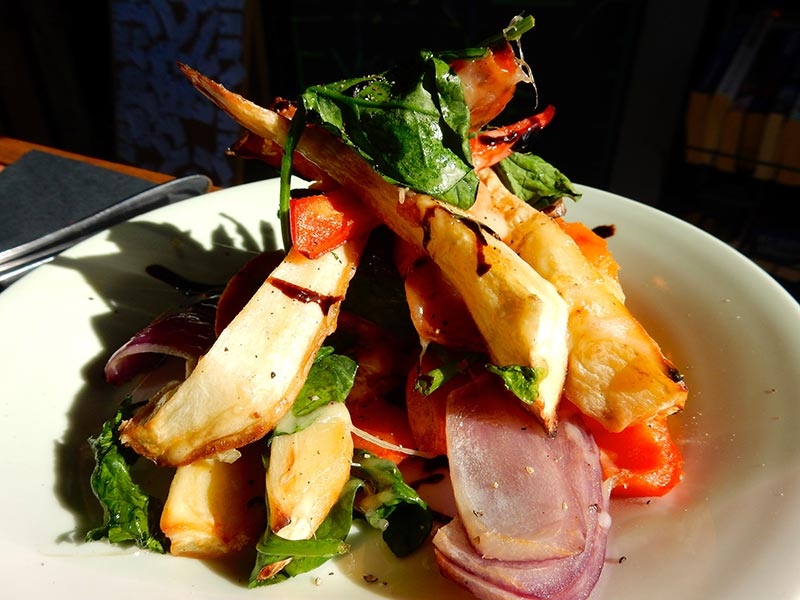
Manchego and Roast Vegetable Salad

Ingredients

 4 tsp olive oil

3 medium-size parsnips

3 cloves of garlic, crushed 

2 cup fresh baby spinach, washed 

Balsamic glaze 

1 Spanish onion 

2 Red capsicum 

½ cup Manchego cheese, cubed 

  1. Preheat oven (fan forced) to 220/200° Slice parsnip into small pieces and cover with oil before placing onto a baking tray along with garlic pieces. Roast for 20 minutes.
  2. Cut onion and red capsicum to desired size and add to baking tray, then continue to roast for 15 minutes. Remove from oven and allow to cool for 10 minutes.
  3. Place spinach and cheese into a small salad bowl with a small amount of olive oil.
  4. Mix vegetables and spinach together in bowl. Serve and drizzle with balsamic glaze.

Add salt and pepper to taste. Serves two.

Please click the download button below to print out a free copy of our newsletter.

Ankylosing Spondylitis - Physio Direct NZ

Ankylosing Spondylitis

What is Ankylosing Spondylitis?

Ankylosing Spondylitis, a type of inflammatory arthritis, causes inflammation and pain in the spinal column as well as other joints in the body. The classic marker of Ankylosing Spondylitis is involvement of the sacroiliac joints, which are large joints connecting the pelvic bones to the sacrum in the lower back.

In many cases of Ankylosing Spondylitis, inflammation within the spinal column can cause new bone to begin forming between the vertebrae. Vertebrae are the individual bones that compose the spinal column. This leads the vertebrae to fuse in various areas, typically fusing the spine in flexed forward, immobile postures.

As Ankylosing Spondylitis progresses, other areas of the body may be affected. These areas include the smaller joints within the hands and feet, as well as the ribs and shoulders.  In some instances, the disease can affect other systems of the body such as the skin, lungs and eyes.

The cause of Ankylosing Spondylitis is not clear, however there are markers and predisposing factors that may contribute to the development of the condition.

Genetics, environment and frequent gastrointestinal infections are among the pre-disposing factors. Men are more commonly affected than women and diagnosis tends to occur between the ages of 17 and 45 years.

What are the signs and symptoms?

Back pain and stiffness are the two most common symptoms of Ankylosing Spondylitis. Other symptoms include neck and buttock pain, as well as pain in the smaller joints of the hands and feet.  Tendons and ligaments may also be affected. Symptoms tend to be worse following periods of rest, and better following periods of activity. It is common for people to experience “flare-ups” and “remissions” of symptoms.

Severity of disease is patient-dependent. Some people with Ankylosing Spondylitis may experience discomfort in the spine from time to time, while others experience severe and debilitating symptoms at frequent intervals with minimal time in remission from symptoms.

Many people with ankylosing spondylitis do not seek medication attention, especially if the symptoms are mild. In these cases, the disease is not diagnosed until it has progressed, leading to increased pain and disability for the patient.

How can physio help?

Ankylosing Spondylitis responds well to physical activity. Your physiotherapist will assess your spinal movement and posture as well as strength and overall movement ability. They will assist you with performing appropriate stretches and strengthening exercises to maintain your posture, spinal strength and mobility. If your hands, feet, hips or shoulders are involved, they will also provide you with specific exercises to help maintain mobility and strength in those joints.

In many cases, people can participate in group exercise programs in a pool and on land. Exercising in a pool is beneficial due to the buoyancy factor; people do not have to weight bear on sore and inflamed joints, however are still able to stay physically active. Many studies have proven the positive benefits of exercise for those with Ankylosing Spondylitis, such as improved rib cage expansion when breathing, and improved posture of the upper back and neck. A physiotherapist is also able to implement other pain relieving treatments that can help to manage symptoms.

None of the information in this newsletter is a replacement for proper medical advice. It is important that you always see a medical professional for advice on your individual condition.

Please click the download button below to print out a free copy of our newsletter.

Understanding Arthritis - Physio Direct NZ

Understanding Arthritis

Most people experience joint pain at some point in their lives, and many will assume that their joint pain is arthritis-related, especially as they get older. But what is arthritis? How do medical professionals determine if the condition of “joint pain” is truly arthritis? You may be surprised to learn that there are multiple types of arthritis with different symptoms, causes and treatments. Below we describe four of the most common types.

  1. Osteoarthritis is defined as the degeneration of the cartilage and underlying bone of joints due to abnormal wear and tear. This leads to pain, stiffness, formation of bony spurs and clicking or grating sensations. Symptoms occur most often in the lower back, hips, knees and even the hands.
    While osteoarthritis and degeneration will occur in most people as they grow older, it can be made worse by poor posture, increased weight, abnormal biomechanics and poor nutrition. Doctors can diagnose most cases of osteoarthritis based on symptom history, and may request X-rays for confirmation. Osteoarthritis is a degenerative condition, meaning it will become progressively worse over time.
  1. Rheumatoid arthritis belongs to the autoimmune classification of diseases, which is where the immune system becomes confused and attacks normal tissues in the body. The body mistakenly mounts an inflammatory reaction around the joint capsule, which over time leads to destruction and deformity.
    Usually many joints are affected, particularly small joints in the hands and feet and around the lower back. While it is characterized by periods of exacerbation and relief, ultimately this is a progressive disease that will become worse over time. 222 With this type of arthritis the pain may actually get worse as you rest due to the build-up of inflammation. Blood tests and x-rays can help doctors to diagnose the condition, and treatment by a rheumatologist is central to management. 
  1. Gout is caused by excess build-up of uric acid within the blood stream. The uric acid forms urate crystals, which accumulate within the joint spaces, causing pain and inflammation. Excess uric acid is associated with a diet rich in meat, seafood, fructose and alcohol, as well as other factors including obesity, metabolic medical conditions, family history, and increased age. Historically known as “Rich man’s disease”, gout is also associated with kidney stones and management includes changing your diet to lower uric acid levels.
  1. Psoriatic arthritis is an arthritis that visibly affects the skin as well as underlying joints. People tend to report symptoms such as red, white or silvery patches of dry skin, pain or discomfort in the skin, or pain in the underlying joints. The dry skin may appear on the knees, elbows, scalp, hands and feet, or on the spine. Factors that can make the symptoms of psoriasis worse include stress or anxiety, medications, exposure to excessive sunlight, smoking and alcohol, or injury to the skin.
    If you suffer from arthritis, contact your GP and friendly physio for advice and proper assessment. They will help to guide your exercise journey and assist with other pain management strategies, helping to keep you active and healthy. Activities such as hydrotherapy, Pilates, and stretching have their place in maintaining correct posture and strengthening muscles appropriately to protect the body in areas of pain.

The above advice does not take the place of proper medical consultation. If you think you may have an arthritic condition, it is advisable to seek professional medical advice for the correct treatment.

Please click the download button below to print out a free copy of our newsletter.

Tomato Bruschetta with Feta and Balsamic - Physio Direct NZ

Tomato Bruschetta with Feta and Balsamic

Ingredients

1 Punnet of Roma tomatoes

Bunch of fresh basil leaves

Dash of olive oil

Balsamic glaze

100gm feta cheese

Sourdough loaf


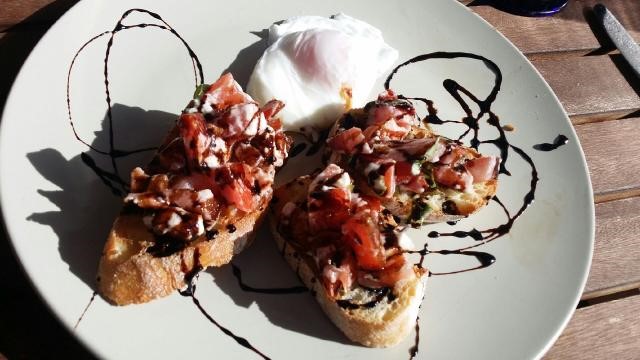
1. Cut tomatoes into quarters. Mix in a bowl with diced basil leaves. Add olive oil and balsamic glaze, mix gently until all ingredients are covered.
2. Slice and toast sourdough loaf.
3. Mix feta cheese into bruschetta mix.
4. Place tomato mix onto toasted bread and garnish with oil, basil leaves and a small amount of glaze

Optional: Serve with poached eggs and hollandaise sauce.

Please click the download button below to print out a free copy of our newsletter.

ACL Tears - Physio Direct NZ

ACL Tears

What is an “ACL tear” and how does it occur?

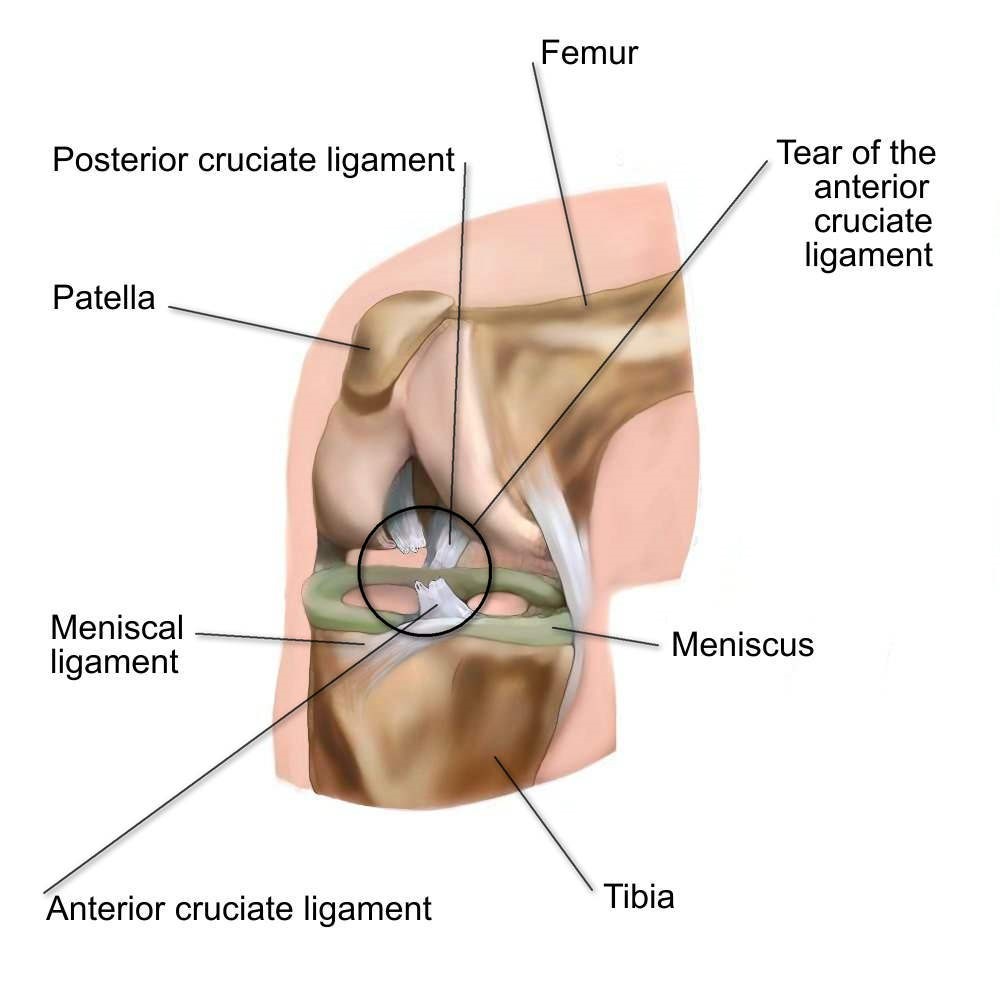
The ACL, or anterior cruciate ligament, is a strong piece of connective tissue which attaches the thigh bone (femur) to your leg bone (tibia). The ACLis referred to as a “crucial” ligament due to the stability it provides to the knee joint. The job of the ACL is to prevent the tibia from sliding forward relative to the femur.

This ligament is injured in athletes more often than other populations, however injury to the ligament may occur in other ways. Injuries tend to occur when landing awkwardly from a jump, twisting the knee, or suddenly stopping from running. The ACL may also be injured during knee hyper-extension, or when hit from the outside. Many times, other tissues surrounding the knee are also damaged, including the medial collateral ligament, meniscus, joint cartilage, and bone marrow.

A musculoskeletal practitioner can formally grade the severity of ACL injuries. A grade I injury occurs when there is minimal damage to theligament and the joint remains stable on testing. Grade II injuries occur when the ligament is partially torn.The joint becomes loose on testing, but still provides a degree of stability.

Grade III constitutes a full tear or rupture of the ligament. There will be no stability provided to the joint on testing.

What are the signs and symptoms of an ACL tear?

Many people will report hearing a “pop” in the knee associated with pain at the time of injury. Within a few minutes to hours of injury, there is likely to be significant joint swelling. Decreased range of movement of the knee is common, and the injured knee is typically unable to take full weight upon standing or walking.It may also feel unstable at times, such as a “giving way” sensation. Poor balance and coordination may also be experienced.

How can Physio help?

Non-surgical management of the injured ACL is taken when there is a grade I to grade II injury. Surgical management typically occurs for grade III injuries, and occasionally grade II injuries to the ACL. Your doctor or physiotherapist can help you decide whether non-surgical or surgical management is best for you.

Regardless of surgical or non-surgical management, your physiotherapist will assist you with improving your knee’s range of movement, lower limb strength, balance, stability and coordination. You will re-learn the tasks of walking, using stairs, and negotiating obstacles.

Early in rehabilitation, the RICE protocol (rest, ice, compress, elevation) is used in conjunction with static resistance type exercises to improve muscle contraction in the leg and increase blood flow in the area.

Throughout your rehabilitation program, you will progress through a variety of strength and mobility exercises targeted towards your individual needs, with goals of returning to your favourite sport or hobby as soon and as safely as possible.

None of the information in this newsletter is a replacement for proper medical advice. Always see a medical professional for advice on your individual injury.

Please click the download button below to print out a free copy of our newsletter.