Lizzie’s Toasted Museli - Physio Direct NZ

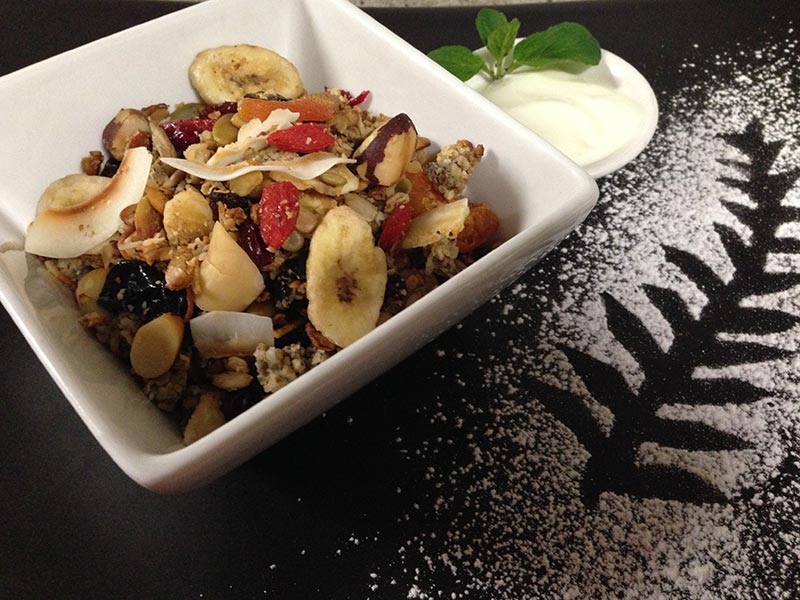
Lizzie’s Toasted Museli

Ingredients:

2-3 cups Quick Cook Oats

2 cups Bran

1-2 cups All Bran

2 cups Sunflower Seeds

2 cups Pumpkin Seeds

1 cups Linseed

1 cups Coconut Chips

1 cups Shredded Coconut

1 cups Almonds or Brazil nuts

1 cup Cold pressed oil

1 cup Honey

2 Tbsp Quinoa

(cooked for 5 mins)

1 Tbsp Chia Seeds

(soak for 10 mins)

1-2 cups Dried Fruit; Raisins Apricots, Goji Berries and Dates


  1. Mix all ingredients in a roasting pan. Roast at 150° Celsius for 15 minutes.


  1. Turn ingredients gently then place back in the oven for 15 minutes. Roast until golden brown and cool. Once cooled, add dried fruit.


  1. Keep in a sealed container. This toasted muesli will keep for a month.


Note from the chef:

‘This is a super-food breakfast. The combined ingredients provide great nutrition for the start of your day by including vitamin A, Vitamin E, selenium, fiber, protein and omega 3.”

Recipe by Lizzie Carson of

Vknow, Fernhill Queenstown, NZ.


Please click the download button below to print out a free copy of our newsletter.


Traditional Greek Salad - Physio Direct NZ

Traditional Greek Salad

Ingredients:

4 medium sized tomatoes

1 medium sized red onion

1 cucumber

200 g olives, stoned and quartered.

1 Tbsp balsamic vinegar

3 Tbsp extra-virgin olive oil

200g feta cheese

1 Tbsp fresh basil

1 Tbsp fresh mint


  1. Chop tomatoes into small cubes. Slice the onion very finely and add to the tomatoes. Peel and chop cucumber into similar sized cubes as the tomatoes.
  2. Roughly chop the basil and mint, reserve two basil leaves for garnish. Gently mix into the rest along with the olives.
  3. Chop feta into 1cm cubes; add the rest of the salad ingredients along with the balsamic vinegar and extra virgin olive oil. Toss together gently with your hands.
  4. To serve, garnish with basil leaves and drizzle with olive oil. Add salt and pepper to taste.

Serves 4 as a side salad.

Please click the download button below to print out a free copy of our newsletter.

Focus on Lymphoedema - Physio Direct NZ

Focus on Lymphoedema

What is lymphoedema?

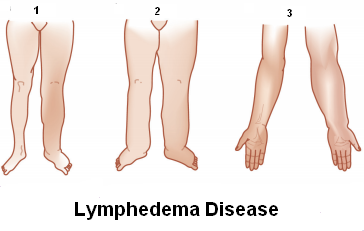
Lymph is a high-protein fluid in the body which flows between soft tissues.  Oedema is the scientific term for swelling. Lymphoedema, therefore, is a high-protein swelling resulting from fluid build-up in soft tissues, which then forms a solid mass.

How common is this condition?

The overall incidence of chronic lymphoedema is estimated at 0.13 to 2% worldwide.  There are two types: primary and secondary lymphedema.  The former occurs from birth; the latter can occur after surgery for removal of lymph nodes, after radiation therapy for the treatment of certain cancers or after parasitic infections.

What are the symptoms?

Symptoms of lymphoedema include heavy, tight and achy limbs, with swelling and decreased movement around the affected joints.  The skin in the area becomes hard and thickened.

What treatments are available?

Physiotherapy can be useful for the management of lymphoedema; techniques include laser therapy, therapeutic massage, compression garments, manual lymph drainage and specific exercises. Your physiotherapist is also able to assist with advice to help manage the condition.

How can you help yourself?

  • Educate yourself on the condition: look up as much information as you can in order to better inform yourself of what you can expect.

However, be wary of those selling products as their information may be biased. Unregulated industries also have less restrictions on what they are allowed to say or promise when promoting their products.

  • Look after the affected limb: make sure the skin is kept clean and dry, with breathable clothing and ventilation.
  • Get regular exercise: daily exerise is important to help maintain a healthy lifestyle.
  • Eat a well-balanced diet and maintain adequate hydration levels.
  • Surround yourself with people you are comfortable with.


Please click the download button below to print out a free copy of our newsletter.

If you require professional advice or treatment, please see our range of treatment options, or book an appointment online. Physio Direct has many clinics located throughout New Zealand, with no GP referral required to make an appointment.

How to Add Exercise to Your Cleaning Routine - Physio Direct NZ

How to Add Exercise to Your Cleaning Routine

As the warmer summer months beckon and time spent outdoors starts to increase, it’s the perfect excuse to de-clutter your surroundings, be it at home or at work. A clean environment helps to maintain a clear head, and the act of cleaning can be therapeutic in itself. Vigorous cleaning can burn up to 90 calories per fifteen minutes; that’s up to 360 calories per hour!

Vacuum cleaning, sweeping and mopping the floor raise the heart rate and can be incorporated into a cardiovascular workout. Lifting and moving heavy objects such as furniture can be incorporated into your strength training, while cleaning windows, hanging curtains and washing walls all have a stretching component. However, with vigorous cleaning comes the risk of over-exertion; necks and backs are particularly at risk of injury.

Make sure to maintain good alignment while doing all of these exercises in order to minimise your chances of injury.

Step-ups:

These are a great low-impact exercise to activate the gluteal muscles and core, and can be done while vacuuming the staircase. Keep your knees no further forward than your toes, and bend from the hips as you push up onto the standing leg by squeezing your backside muscles.

Squat twists:

Keep your knees bent and core engaged while you use your oblique muscles to rotate your body from the waist while mopping the floor.
Single-leg standing obliques: while washing the windows, engage the lateral abdominal muscles to pull the arms down to the side of the body as you balance on one leg.

Lunges:

Keep your back straight and front knee above your ankle while lunge walking as you sweep the floor. Try to lunge as low as possible while keeping a good technique.

Please click the download button below to print out a free copy of our newsletter.

Running Tips For Beginners - Physio Direct NZ

Running Tips For Beginners

If you’ve just taken up running, you probably think that getting started is simple – you just run as far as you can and then run further the next time. Like most things, the reality is a little more complicated. Here are some running tips to make the most of your running program and avoid injury.

  • Don’t overdo it.

Rest is actually a big part of a training program. Your body needs time to recover and rebuild muscle. Not giving yourself adequate time to rest leads to greater risk of injury and you won’t improve as quickly as you might think. Aim to run three times a week.

  • Don’t forget strength training.

Even if you’re trying to improve endurance, surprisingly, increasing strength can make a big difference. Particularly if you focus on specific muscles that may be weaker on one side of the body. This is also an important part of injury prevention. Your physiotherapists can help you to identify any weak muscles and develop a strengthening program.

  • Your shoes and running surface matter.

Running on hard or uneven surfaces leads to a greater risk of injury than running on grass, which allows for a more natural distribution of forces through your foot. Having shoes that fit your foot properly and also provide necessary support is an essential part of your injury prevention plan.

  • Listen to your body.

As you improve and push your abilities forward there will be many aches and pains. Most will only last for a day or two and DOMS (delayed onset muscle soreness) is a normal if not annoying part of getting stronger. However, if pain feels more serious, lasts for more than 48 hours or is preventing you from running speak to a professional as soon as possible. Running injuries do happen and can take a while to resolve. Early treatment is the best option for good outcomes.

Speak to your physiotherapist for more practical tips on how to improve your running and prevent injuries.

Please click the download button below to print out a free copy of our newsletter.

Common Running Injuries - Physio Direct NZ

Common Running Injuries

Running is a great way to stay in shape, manage stress and increase your overall wellbeing, however it’s not without it’s drawbacks. While being a low risk activity, there are a few injuries that commonly affect runners. As running is a repetitive impact activity, most running injuries develop slowly and can be difficult to treat. Here are three of the most common conditions faced by runners.

  1. Runner’s Knee:

Runners knee is a persistent pain on the inside of the knee caused by the dysfunctional movement of the kneecap during movement. The kneecap ideally sits in the centre of the knee and glides smoothly up and down as the knee bends and straightens, in a process described as tracking. If something causes the kneecap to track abnormally, the surface underneath can become worn, irritated and painful. The pain might be small to start with, however left untreated, runner’s knee can make running too painful to continue.

  1. Shin Splints:

Shin splints is a common condition characterised by a recurring pain at the inside of the shin. While the cause of this condition is not always clear, it is usually due to repeated stress where the calf muscles attach to the tibia (shin bone). Why this becomes painful is likely due to a combination of factors that can be identified by your physiotherapist to help you get back on track as soon as possible.

  1. Achilles Tendonitis:

The Achilles tendon is the thick tendon at the back of the ankle that attaches to the calf muscles. The amount of force that this tendon can absorb is impressive and is vital in providing the propulsive force needed for running. If the stresses placed on the tendon exceed its strength, the tendon begins to breakdown and become painful.


None of the information in this article is a replacement for proper medical advice. Always see a medical professional for advice on your individual injury.


Please click the download button below to print out a free copy of our newsletter.

If you require professional advice or treatment, please see our range of treatment options, or book an appointment online. Physio Direct has many clinics located throughout New Zealand, with no GP referral required to make an appointment.

Cranberry & Mixed Seed Slice - Physio Direct NZ

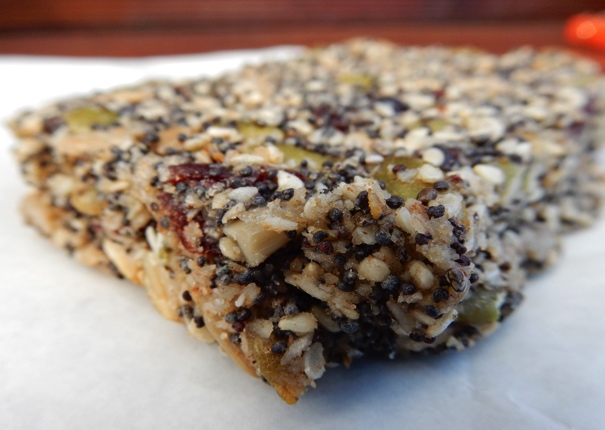
Cranberry & Mixed Seed Slice

Ingredients

¼ cup honey

½ tsp vanilla extract

¼ cup almond meal

¼ tsp salt

1 tbsp almond butter

½ cup dried cranberries

¾ cup shelled pumpkin seeds.

2 tbsp poppy seeds


  1. Preheat oven to 150°c, line a baking tray with baking paper and set aside.
  2. Mix honey, vanilla essence, almond meal, salt and almond butter together until combined. Fold in the almonds, dried cranberries, and pumpkin seeds until mixed well.
  3. Place mixture in baking tray and press firmly into an even layer, packing as tightly as possible. Bake for 20-24 minutes.
  4. Remove from oven and allow to cool to room temperature for at least an hour. Once cool, place slice into the refrigerator

Please click the download button below to print out a free copy of our newsletter.

Tips For Preventing Workplace Injuries - Physio Direct NZ

Tips For Preventing Workplace Injuries

Why are workplace injuries so common?

When we’re at work, we often find ourselves doing the same task for hours on end. The more specialised our job is, the more likely this is to be true. The human body is designed to move and perform a variety of tasks, and is unaccustomed to repetitive behaviours.

At work we also find ourselves faced with time constraints and tasks that need to be completed immediately. This can lead to lazy postures, lifting objects that are too heavy, or in a way that is rushed and unnecessary risk taking, just to get the job done.

Many injuries occur as a result of simple tasks done repeatedly over the course of several hours. Often these issues begin slowly and take many months to resolve. Here are a few tips to keep yourself pain free in the workplace.


When lifting:

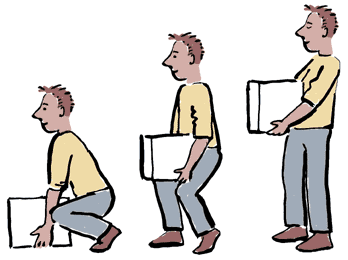
Assess the risk. Do you need to ask for help or use an assistive device?

Use your legs to power the movement. Your legs are the strongest part of your body.

Never bend and twist. This is terrible for your back and a significant trigger for injuries. Instead, lift and step to turn before putting the object down.

When moving trolleys:

Push rather than pull. This is a much more efficient movement.

Try to push at waist height and keep forces as close to your body as possible.

When doing desk based activities:

Try not to use the same side of your body all the time. Practise using both left and right hands for taking phone calls and mouse work.

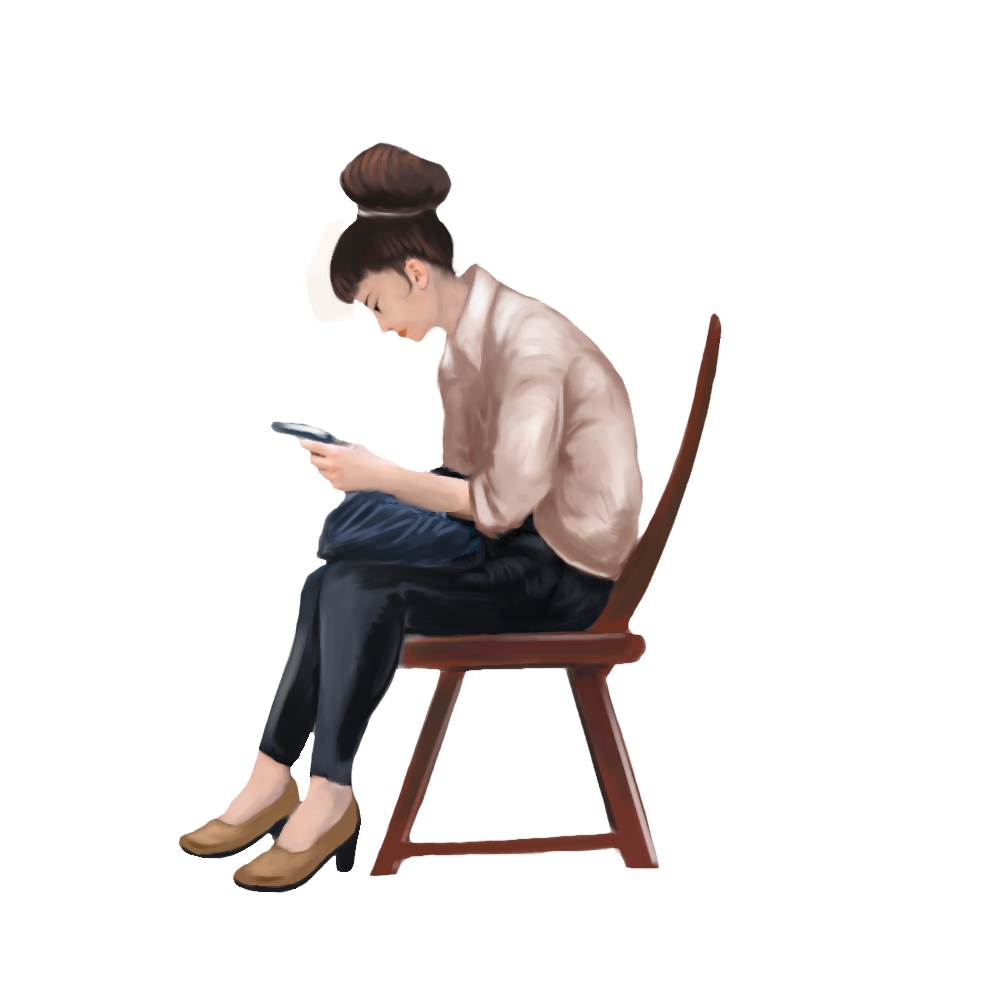
Be aware of your posture. Good posture isn’t about having a completely rigid and upright spine. It’s about being able to let your spine sit comfortably in its natural curves and be able to move in and out of this easily.

Stretch to counteract positions you find yourself in for long periods.

Have your workplace set up assessed and corrected by a professional.


None of the information in this newsletter is a replacement for proper medical advice. Always see a medical professional for advice on your individual injury.

Please click the download button below to print out a free copy of our newsletter.
Why Is Good Posture So Important? - Physio Direct NZ

Why Is Good Posture So Important?

Health care professionals seem to constantly be talking about posture. While many people take away the message that they should “stand up straighter” the truth about what good posture is and why you should aim to have it is a little more complicated.

One of the reasons why posture is so important is that the body has an ideal alignment for almost every joint that provides the most stability and efficiency for movement in that position.

This is particularly true for the spine, which has a large number of joints that work together to provide movement, stability and support for the body. The spine must also provide a stable base for the shoulder and head. When the spine is in its optimum position, this also allows for free movement of the nerves that supply the trunk, arms and legs.

While the human body is highly adaptable and will continue to function when a posture is not “ideal”, a lot of energy is wasted and undue stress is placed on the muscles, tendons and ligaments of the body. Over time this can cause pain, tightness and loss of flexibility.

While being able to find these optimum postures is important, it is also important to simply keep moving and not be stuck in the same position for long periods. No matter how ‘ideal’ a posture is, when joints are held in the same position for too long, this can be troublesome.

Working with a great base posture combined with regular movement and stretches can have a surprising impact on your overall wellbeing. Having good posture has been linked to higher self-esteem, improved concentration, and even better lung function.


Speak to your physiotherapist for practical tips on how to improve your posture throughout the day.

Please click the download button below to print out a free copy of our newsletter.

Chickpea, Chorizo and Tomato Salad - Physio Direct NZ

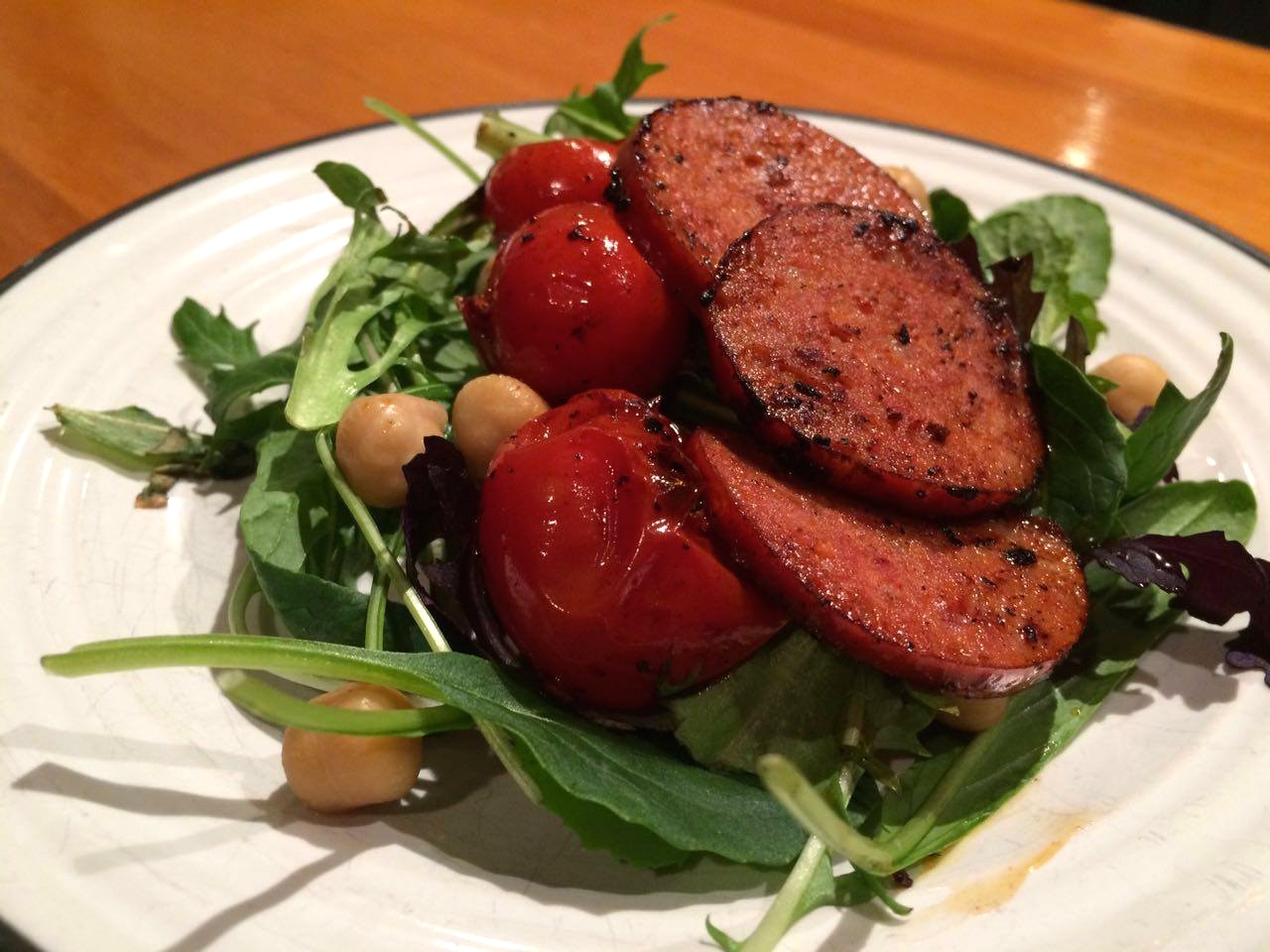
Chickpea, Chorizo and Tomato Salad

Ingredients
2 cups mixed leaf lettuce
400g chickpeas
12 cherry tomatoes
500g sliced chorizo
2 tsp olive oil
2 tsp balsamic vinegar

1. Sauté tomatoes in a frying pan on medium heat with a teaspoon of olive oil and a teaspoon of balsamic vinegar until tomatoes begin to soften. Set aside to cool.
2. Wipe frying pan and place back on heat. Place chorizo on pan and fry until slightly brown and crispy.
3. Mix all ingredients in a large salad bowl and dress with remaining olive oil and balsamic vinegar.

Please click the download button below to print out a free copy of our newsletter.

Easy Tomato and Bacon Quiche - Physio Direct NZ

Easy Tomato and Bacon Quiche

Ingredients

3/4 cup plain flour

50g butter, melted

2 cups milk

1 onion, sliced

½ cup cheese, grated

6 bacon strips, sliced and lightly pan fried

2 tomatoes, sliced

2 sheets of puff pastry


Serves 2.

  1. Preheat oven to 180d c. Grease a quiche dish and line evenly with puff pastry sheets.
  2. Whisk butter, flour, eggs and milk together and pour into dish.
  3. Combine the rest of the ingredients together and spoon into egg mixture.
  4. Bake for 1 hour

Please click the download button below to print out a free copy of our newsletter.

Finding Time for Incidental Exercise - Physio Direct NZ

Finding Time for Incidental Exercise

What is Incidental Exercise?

The difference between an office job and a labouring job is quite obvious: the office worker sits in a cubicle for 8 hours per day while the labourer is constantly moving, walking up and down ladders or stairs, and carrying heavy loads. The labourer is performing what is known as “incidental exercise”: exercise that occurs just because he is moving. Incidental exercise typically is unplanned exercise that occurs during your normal daily routine.

In today’s society, there is an increasing percentage of people with disease associated with sedentary lifestyle. The good news is that including incidental exercise into normal daily life can help reduce the risk of developing disease.

Here are a few ideas…

  • If you live within 5km of your workplace, walk or cycle to work.
  • If you drive, park 1km or more away from work and walk.
  • At every opportunity take the stairs, instead of the elevator.
  • Walk your kids home from school and have quality chats together.
  • Have a short indoor exercise routine that you do every time you wait for the kettle to boil.


If you work in an office…

  • Take all phone calls standing up.
  • Swap your chair for a fitball.
  • Walk to your colleague’s office instead of calling them, or ask to speak while you leave the building for coffee runs or lunch-time walks.

At home…

  • Put on some music and be more active while cleaning, gardening or hanging out the washing.
  • Make your daily family time active: play a game out back or go for a ride through the park.

It’s important to note that incidental exercise does not replace that hour at the gym or of sport. However, incidental exercise will make the benefits of that hour last longer and help you feel better through the day.

Please click the download button below to print out a free copy of our newsletter.

Runner’s Knee (Patellofemoral Pain Syndrome) - Physio Direct NZ

Runner’s Knee (Patellofemoral Pain Syndrome)


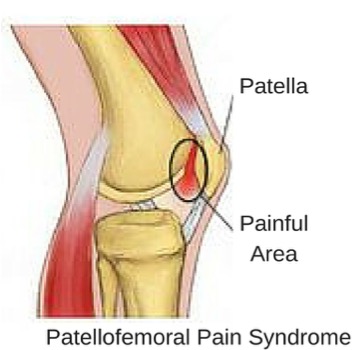
Runners’ knee is a common disorder characterized by pain at the front of the knee during activities that require frequent and repetitive bending of the knee. The knee joint is composed of the thigh bone, (femur) and leg bone (tibia) and a small floating bone at the front, commonly known as the kneecap (patella). The interaction between these bones allows for smooth movement of the knee as it bends and straightens.

During movement, the kneecap sits in a groove at the front of the knee and acts as a mechanical see-saw. This protects the knee joint and improves the efficiency of the muscles working to move it.

If the kneecap does not move within its groove normally. This can cause irritation and pain of the underlying tissues, creating what is known as patello-femoral pain syndrome.

What causes it?

The quadriceps muscle straightens the knee and is made up of 4 individual muscles, all of which share a common attachment to the kneecap. The quadriceps work together as a group, with some pulling to the left and others to the right as they straighten the knee. If one side of the quadriceps is over or underdeveloped compared to the rest of the group, their pull on the patella changes. This causes the patella to move out of place as it pulled along in its groove. Over time this can damage the bony surfaces underneath the kneecap, causing irritation and pain.

How can physiotherapy help?

After examination your physiotherapist can determine the cause of the pain. They may perform some muscle releases and advise you of specific stretches to perform. If there is a strength imbalance, you will be given specific exercises aimed at strengthening the appropriate muscle to reducing any imbalance.

Muscular imbalance at the hips or lower back, or poor biomechanics of the lower limb and foot can contribute to the dysfunction in the quadriceps muscle and is an important part of any successful treatment. Your physiotherapist may suggest you change your footwear or add an orthotic to your shoe to improve the support of your foot and lower limb. This may be a permanent or temporary change.

Other strategies your physiotherapist may try include patella strapping, dry needling, or trigger point therapy. Surgery is considered a last resort following a period of physiotherapy management.

None of the information in this newsletter is a replacement for proper medical advice. Always see a medical professional for advice on your individual injury.

Please click the download button below to print out a free copy of our newsletter.

If you require professional advice or treatment, please see our range of treatment options, or book an appointment online. Physio Direct has many clinics located throughout New Zealand, with no GP referral required to make an appointment.

Peppermint Hot Chocolate - Physio Direct NZ

Peppermint Hot Chocolate

Ingredients

4 tsp raw cocoa powder

3 tsp honey

2 peppermint tea bags

2 cups milk or substitute (soy/almond milk)

Sprinkle of nutmeg and cinnamon

Optional: Marshmallows


Instructions

  1. Slowly heat milk over medium heat. Do not bring to boil as this will burn the milk and change the taste. Add peppermint teabags to the pan while heating and stir regularly.
  2. Add cocoa powder and honey. When milk is ready to drink remove from heat.
  3. Froth the heated milk either by using a whisk, mixer or plunger.
  4. Pour the hot chocolate into mugs, sprinkle nutmeg and cinnamon on top and enjoy.

Serves 2

Please click the download button below to print out a free copy of our newsletter.
Plantar Fasciitis - Physio Direct NZ

Plantar Fasciitis

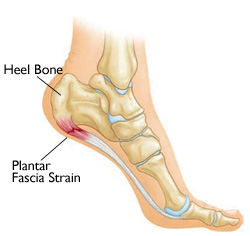
Plantar fasciitis is the most common cause of pain at the rear of the foot. The plantar fascia is a fibrous tissue that originates on the heel bone and inserts into the toes, helping to provide stability and support to the arches of the foot.

Plantar fasciitis is the breakdown of the tissues of the plantar fascia, usually in the area that attaches to the heel. The cells within the tissue become disarrayed, changing the direction of pull and weakening the tendon, which can eventually lead to micro-tearing of the fascia.

WHAT ARE THE SYMPTOMS?

Plantar Fasciitis is characterised by gradual onset of pain at the base of the heel. The pain may be worse in the morning and eases throughout the day. Aggravating activities include standing, being inactive; stretching the foot, and the area will be painful to touch. In the early stages, activities such as running or dancing may ease the pain and only be painful afterwards, however as the condition develops further, pain may also be felt during exercise.

HOW DOES IT HAPPEN?

This condition usually develops slowly over time. Sudden heel pain following a traumatic incident is not usually classified as plantar fasciitis. Poor foot biomechanics, such as over pronation or supination (a kind of twisting movement within the foot) during walking or running places stress through the tendon. If this continues over time, the tendon begins to break down, causing pain.

Common activities that contribute to plantar fasciitis include walking with inappropriate or unsupportive footwear, running, and dancing. Other factors that may contribute to plantar fasciitis are lower limb muscle tightness, leg length discrepancy or muscle imbalance.

HOW CAN PHYSIO HELP?

There are various strategies your physio can use to assist with pain relief of the foot. Following a thorough examination of the lower limbs, your physio will decide if you require specific muscle stretching or strengthening. Often there will be a biomechanical abnormality in the gluteal or calf muscles that require attention. Once an exercise program is underway, strapping or orthotics, may be used to support the painful tissue. Generally, a stretching routine for the bottom of the foot will be prescribed, and tissue release using a golf or tennis ball may be added to the exercise regime.

Most practitioners agree that physiotherapy management and relative rest are best for plantar fasciitis, however, some people may need further treatment such as corticosteroid injections or surgery if physiotherapy is not effective in relieving the symptoms.

None of the information in this newsletter is a replacement for proper medical advice. Always see a medical professional for advice on your individual injury.

Please click the download button below to print out a free copy of our newsletter.